The world of digital financial transactions is increasingly dependent on cryptocurrency. Digital currencies like Bitcoin, Ethereum, and others are used by millions of people to invest, trade, and conduct online transactions. However, it is essential to know how to store cryptocurrency safely before using it or purchasing it. A cryptocurrency wallet becomes crucial at this point.
Users can manage their digital assets, send and receive cryptocurrency, and interact with blockchain networks with a crypto wallet. Understanding crypto wallets can assist you in safeguarding your funds and avoiding common security flaws, whether you are a novice investor or an experienced one.
What Is a Crypto Wallet and How Does It Work?
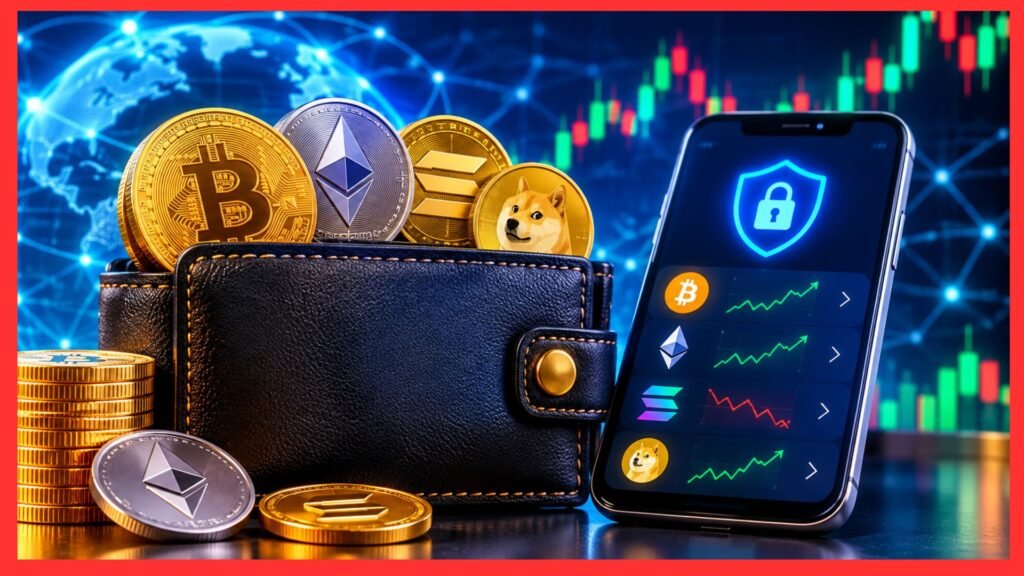
A crypto wallet is a digital tool that allows users to access and manage their cryptocurrency. It does not actually hold coins or banknotes like a traditional wallet would. Instead, cryptocurrencies remain recorded on their respective blockchain networks.
The cryptographic keys needed to access and control digital assets are stored in a crypto wallet. These include a public address and a private key.
Like a bank account number, a public address works. When you receive cryptocurrency, you can share it with others. A private key, however, provides control over your funds and must remain confidential.
Most modern wallets also use a recovery phrase, commonly consisting of 12 or 24 words. If a device is lost or damaged, this phrase can assist in restoring wallet access.
Different Types of Cryptocurrency Wallets
There are a number of different kinds of cryptocurrency wallets, each with its own set of features, ease of use, and level of security.
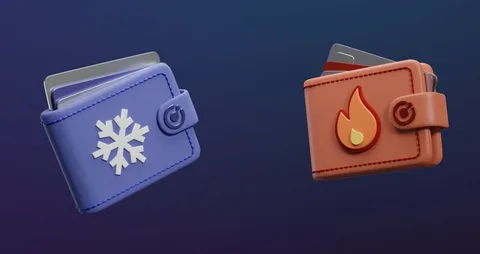
1. Hot Wallets
Hot wallets are connected to the internet and are commonly available as mobile applications, desktop software, or browser extensions. They make it easy to send and receive cryptocurrency.
MetaMask, Trust Wallet, and Coinbase Wallet are examples.
Decentralized applications and everyday transactions benefit from hot wallets. However, users’ internet access may make them vulnerable to phishing scams, harmful software, and online security risks.
2. Cold Wallets
Private keys stored offline in cold wallets are less vulnerable to internet-based attacks. Hardware wallets are a popular example.
Ledger and Trezor’s devices widely used to protect cryptocurrency.
Long-term holders who require additional security for larger cryptocurrency balances frequently prefer cold wallets. However, users must still safeguard their physical devices and recovery phrases.
Best Crypto Wallet Features to Look For.
It’s critical to make the right choice when it comes to crypto wallets. Consider the following features before purchasing a hardware device or downloading an application:
- Security: Look for encryption, private-key protection, and additional options for authentication.
- Supported Cryptocurrencies: Check whether the wallet supports Bitcoin, Ethereum, and the other digital assets you intend to use.
- User Experience: Wallets with easy-to-use interfaces transaction management may be preferred by beginners.
- Backup and Recovery:A reliable recovery process can help restore access when a device is lost.
- Blockchain Compatibility: Consider whether the wallet accommodates the necessary networks and decentralized applications. Never rely solely on popularity when selecting a wallet. Examine its official documentation, development team, and security history.
How to Keep Your Crypto Wallet Safe.
The safety of crypto wallets should always come first. If you lose access to your recovery phrase or private keys, you could lose your money forever. Keep in mind these important safety precautions:
- Never divulge your recovery key or private keys to anyone.
- Download wallet applications only from official websites or trusted app stores.
- Whenever possible, enable two-factor authentication
- Avoid connecting your wallet to unknown websites or clicking on suspicious cryptocurrency links.
- Before sending a transaction, carefully check the addresses in your wallet.
- Keep your recovery phrase offline in a secure location.
Keep in mind that legitimate wallet providers will never send you an unwelcome message asking for your recovery key.
Final Thoughts
Anyone interested in Bitcoin, Ethereum, and the wider cryptocurrency market needs a crypto wallet. If you know the differences between cold and hot wallets, you can choose the best option for your needs.
Whether you are making everyday transactions or holding cryptocurrency for the long term, protecting your private keys and recovery phrase should always come first.
Learning about wallet security is an essential step toward becoming a more self-assured user of digital assets in 2026, when the cryptocurrency industry is expected to continue its rapid development.
Disclaimer: This article is for educational purposes only and does not constitute financial or investment advice.