Crypto Market Analysis: Bitcoin, Altcoins and What Comes Next
If you want a clear crypto market analysis, you are probably tired of hype, panic and conflicting predictions. This crypto market analysis: Bitcoin, altcoins and what comes next, cuts through the noise. It explains what drives prices, how Bitcoin and altcoins behave differently, and which signals matter most for the months ahead.
Digital assets are no longer a niche experiment. Institutions, governments and everyday investors all watch the same charts and the same economic data. That makes the crypto market today more connected to the global economy than ever before. Whether you hold a little Bitcoin or manage a diverse portfolio, you need a framework, not a guess.
In this guide, you will learn how to read the market’s big picture, what shapes Bitcoin’s cycles, how altcoin seasons really work, and what risks deserve your attention. We will also answer the most common questions people ask on Google.
Why a Crypto Market Analysis Matters Right Now
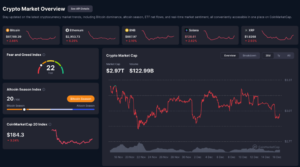
That constant motion creates opportunity, but it also creates emotional decisions. A solid crypto market analysis gives you a calm reference point when the screen turns red or green.
Good analysis also separates signal from noise. Social media rewards loud predictions, not accurate ones. When you track a few reliable indicators, you stop reacting to every post and start reading the market’s actual direction.
Finally, the market has matured. Spot Bitcoin exchange-traded funds, clearer regulation in many regions and growing corporate interest have changed who participates. The old playbook of “buy and pray” no longer fits.
The Big Picture: How the Crypto Market Works Today
The total crypto market cap is the combined value of every digital asset. It rises when new money enters and falls when investors move toward safer assets. Bitcoin makes up the largest share of that total, which is why analysts call it the market’s anchor.
Three forces move the entire market:
- Liquidity: When central banks cut interest rates or expand money supply, risk assets like crypto usually benefit.
- Sentiment: Fear and greed push prices beyond what fundamentals justify, in both directions.
- Regulation and adoption: New laws, ETF approvals and institutional products change who can buy and how easily.
Because these forces affect everything at once, most coins rise and fall together. That correlation is strongest during sharp sell-offs, when almost every asset drops regardless of quality.
Bitcoin Market Analysis: The Anchor of the Crypto Market
Bitcoin sets the tone for the entire industry. When Bitcoin trends upward with strong volume, confidence spreads. When it breaks key support levels, altcoins usually fall harder.
What Drives Bitcoin’s Price Cycles?
For over a decade, Bitcoin has moved in rough four-year cycles tied to the Bitcoin halving. Roughly every four years, the reward miners receive for validating blocks is cut in half. That reduces new supply, and historically the price has climbed in the months that followed.
Past patterns are not guarantees, though. Today, ETF flows, interest rates and global risk appetite influence Bitcoin as much as the halving schedule does. Treat the cycle as one input, not a prophecy.
On-Chain Signals Worth Watching
On-chain data shows what holders are actually doing, not what they say online. A few useful metrics include:
- Exchange balances: Coins leaving exchanges often suggest long-term holding, while coins flowing in can signal selling pressure.
- Long-term holder supply: When experienced holders refuse to sell, it often reflects confidence.
- Realized price: This shows the average price at which all coins last moved, a useful gauge of whether the market sits in profit or loss.
Platforms like Glassnode and CoinMarketCap make this data easy to explore without needing to be a data scientist.
Technical Levels That Traders Follow
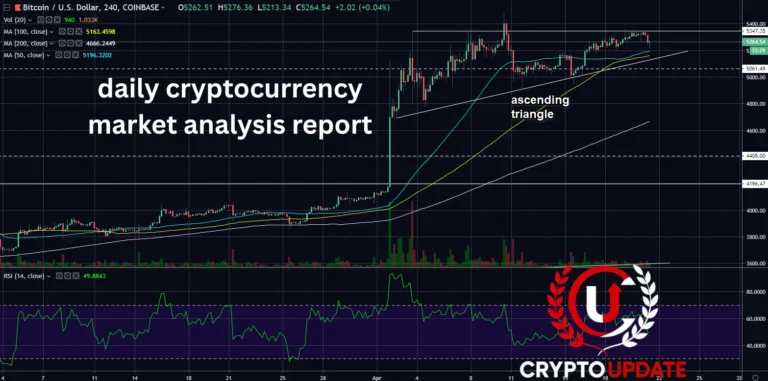
Chart watchers focus on support, resistance and moving averages. The 200-day moving average is a popular dividing line between bull and bear territory. When Bitcoin holds above it, the broader trend looks healthy. A sustained drop below it often warns of deeper weakness.
Keep in mind that technical analysis tells you where traders are looking, not where the price must go. Pair it with the macro and on-chain context above.
Altcoin Market Analysis: Where the Opportunities and Risks Live
Altcoins are every cryptocurrency other than Bitcoin. They range from established networks to speculative tokens that may not exist in two years. A smart altcoin market analysis starts by admitting that most altcoins carry far more risk than Bitcoin.
Ethereum and the Smart Contract Platforms
Ethereum remains the largest altcoin and the home of most decentralized finance (DeFi), stablecoins and NFTs. Competing platforms such as Solana and others fight for the same users with faster speeds and lower fees. Their success depends on real activity: active users, developer growth and fee revenue, not just price charts.
Understanding Altcoin Season
Altcoin season is a period when most altcoins outperform Bitcoin. It typically begins after Bitcoin makes a strong move, then stabilizes. Investors who took profits in Bitcoin often rotate into smaller coins searching for bigger gains.
Several signs often appear before an altcoin rally:
- Bitcoin dominance stops rising and begins to fall.
- Ethereum starts outperforming Bitcoin.
- Trading volume spreads across many mid-sized coins, not just a few.
No single indicator is perfect, but together they paint a useful picture. Remember that altcoin rallies can reverse as quickly as they appear.
How to Evaluate an Altcoin Before You Buy
Before putting money into any altcoin, ask practical questions:
- What real problem does this project solve?
- Who is building it, and are they transparent?
- How is the token supply distributed, and when do large unlocks happen?
- Is there genuine usage, or only speculation?
If you cannot answer these questions in a few sentences, you probably do not understand the risk yet.
Key Trends Shaping the Crypto Market Forecast
Looking at the crypto market forecast means looking at the themes with staying power, not the latest meme.
Institutional adoption. Asset managers, banks and public companies now offer or hold crypto products. This brings larger, steadier capital, though it also ties crypto more closely to traditional markets.
Stablecoins and payments. Dollar-backed stablecoins have become a major use case, especially for cross-border transfers. Their growth shows that crypto is finding practical, everyday utility.
Tokenization of real-world assets. Bonds, funds and other assets are being represented on blockchains. If this continues, it could bring trillions of dollars of traditional finance on-chain.
Layer-2 networks and scaling. Cheaper and faster transactions improve the user experience and open the door to mainstream applications.
Artificial intelligence and crypto. Projects at the intersection of AI and blockchain attract attention, though many remain early and unproven.
Crypto Market Analysis: Bitcoin, Altcoins and What Comes Next
So what is the realistic outlook? Nobody can predict the future with certainty, but we can build scenarios based on the factors above.
Bullish scenario. Falling interest rates, steady ETF inflows and rising adoption push Bitcoin to new highs. Altcoin season follows, led by Ethereum and projects with real revenue. In this case, patient holders benefit most.
Sideways scenario. Economic uncertainty keeps investors cautious. Bitcoin trades in a wide range while altcoins struggle to gain traction. Money flows toward quality, and weak projects slowly fade away.
Bearish scenario. A global slowdown, tighter liquidity or a major regulatory shock triggers a sell-off. Altcoins fall harder than Bitcoin, and leveraged traders get wiped out.
Smart investors prepare for all three. Instead of betting everything on one outcome, they size positions so that a bad scenario hurts but does not destroy them.
Major Risks Every Investor Should Understand
Every serious crypto market analysis must cover what can go wrong.
- Volatility: Double-digit price swings in a single day are normal in crypto.
- Regulatory changes: New rules can help or hurt, sometimes overnight.
- Security failures: Exchange hacks, smart contract bugs and phishing scams remain constant threats.
- Leverage: Borrowed money magnifies both gains and losses, and it is the fastest way to lose an account.
- Scams and rug pulls: Anonymous teams and unrealistic promises are major red flags.
Protect yourself by using reputable exchanges, enabling two-factor authentication and storing long-term holdings in a hardware wallet you control.
How to Build a Smarter Crypto Strategy
You do not need to predict the market perfectly to invest well. These habits help in any scenario:
- Define your goal and time horizon. A trader and a long-term holder need very different plans.
- Use dollar-cost averaging. Buying a fixed amount on a regular schedule reduces the stress of timing the market.
- Diversify with discipline. Many investors keep a core in Bitcoin and Ethereum, with a smaller portion for higher-risk altcoins.
- Set rules before you buy. Decide your exit points and maximum loss in advance, while you are calm.
- Only invest what you can afford to lose. This single rule prevents most financial regret.
Conclusion: Turn Analysis Into Action
Markets reward preparation, not panic. In this crypto market analysis: Bitcoin, altcoins and what comes next, we covered the forces behind price moves, Bitcoin’s cycles, how altcoin seasons unfold, the biggest trends and the risks that deserve respect. The key lesson is simple: build a plan, manage risk and keep learning.
Ready to go deeper? Bookmark this crypto market analysis, track the indicators we discussed, and subscribe to our newsletter for weekly updates on Bitcoin, altcoins and what comes next. Share it with a friend who is curious about crypto, and leave a comment with the question you most want answered.