Cold Wallet: The Safest Way to Store Your Crypto
You’ve most likely come across the term cold wallet, whether you’re an owner of any cryptocurrency or not. A cold wallet is a hardware device or procedure that does not connect to the internet to store crypto keys. A cold wallet is not connected to the internet, so hackers find it impossible to follow the same route that they would use to steal digital assets.
This guide will discuss what a cold wallet is, the difference between hot and cold wallets, a nd which one is best for your needs. At the end, you will have the perfect knowledge of how to keep your cryptocurrencies safe for years to come.
What Is a Cold Wallet?
A cold wallet is a way to store cryptocurrency private keys offline. It never connects to the internet during normal use. This makes it nearly impossible for remote hackers to access your funds.
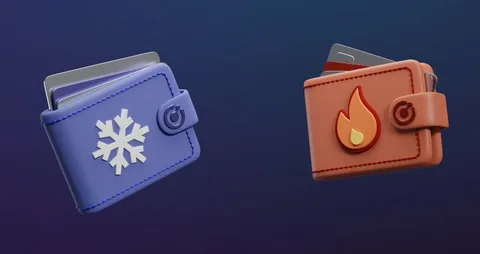
Think of a cold wallet like a safe in your home. Your money exists. But it’s locked away from anyone who doesn’t have physical access. A hot wallet, by contrast, is more like a checking account app on your phone. It’s convenient, but it’s also exposed.
How this works
A cold wallet generates and stores your private keys on a device that stays disconnected from the web. When you want to send crypto, you connect the device briefly to sign the transaction. The keys themselves never leave the wallet. This simple design is what makes a cold wallet so effective at stopping online attacks.
Cold Wallet vs Hot Wallet: What’s the Difference
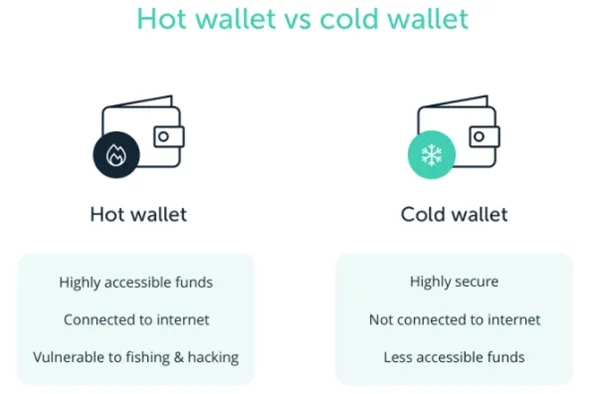
The main difference comes down to internet connection. A hot wallet stays online and provides speed and easy access. A cold wallet stays offline and offers security.
Here’s a quick comparison:
- Hot wallet: Fast, convenient, ideal for daily trading. More vulnerable to hacks.
- Cold wallet: Slower to access, but far safer. Ideal for long-term holding.
Most experienced crypto users keep a small amount in a hot wallet for spending. They store the rest in a cold wallet for safety.
Why You Need a Cold Wallet for Crypto Security
Crypto exchanges get hacked. Phishing scams trick people into giving up passwords. Malware steals login credentials from unsuspecting users. A cold wallet protects against all three of these threats because it simply isn’t reachable online.
Protection From Hacks and Malware
Since a cold wallet stores your keys offline, malware on your computer can’t reach them. Even if your laptop is infected, your crypto stays safe inside the wallet. This is one of the biggest reasons security experts recommend a cold wallet for anyone holding a meaningful amount of crypto.
Long-Term Storage Benefits
If you’re not trading daily, there’s little reason to keep your crypto exposed online. A cold wallet is ideal for long-term holders, sometimes called “HODLers.” You can store your assets for months or years without worrying about a data breach affecting your funds.
Types of Cold Wallets Explained
Not all cold wallets look the same. Here are the most common types.
Hardware Wallets
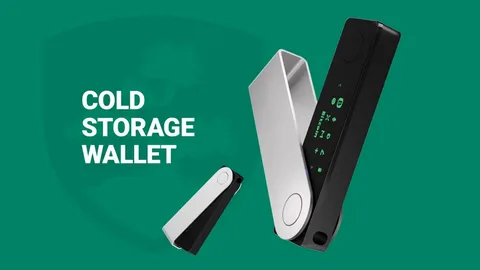
A hardware wallet is a small physical device, often similar in size to a USB drive. It stores your private keys inside a secure chip. Popular hardware wallet brands include Ledger and Trezor. This is the most user-friendly type of cold wallet, and the one most beginners choose.
Paper Wallets
A paper wallet is exactly what it sounds like. Your private key and public address are printed on a physical piece of paper, often as a QR code. It costs nothing to create, but it’s fragile. Fire, water, or simple wear and tear can destroy it.
Metal Backup Wallets
A metal wallet stores your recovery phrase engraved on a steel plate. It’s built to survive fire, flooding, and physical damage. Many people use a metal backup alongside a hardware wallet for extra protection.
How to Choose the Best Cold Wallet
Picking the right cold wallet depends on your budget, technical comfort, and how much crypto you plan to store.
Security Features to Look For
Look for a cold wallet with a secure chip, PIN protection, and support for a recovery phrase (usually 12 or 24 words). Some advanced models also offer passphrase protection for an extra layer of security.
Ease of Use
A good cold wallet should have a simple setup process and a companion app that’s easy to navigate. If a wallet feels overly complicated, you’re more likely to make a mistake during setup, which can put your funds at risk.
Price and Brand Reputation
Hardware wallets typically range from $50 to $200. Stick with established brands that have a strong track record and active security audits. A cheaper, unknown brand isn’t worth the risk when your savings are on the line.
How to Set Up Your Wallet in 5 Steps
- Buy directly from the manufacturer. Avoid third-party sellers to reduce the risk of a tampered device.
- Initialize the device. Use the on-screen instructions to set up a new wallet.
- Write down your recovery phrase. Store it offline, away from cameras or cloud storage.
- Set a strong PIN. This prevents unauthorized physical access.
- Transfer your crypto. Send a small test amount first before moving your full balance.
Common Mistakes to Avoid
the best cold wallet won’t help if it’s used incorrectly. Avoid these common errors:
-
- Storing your recovery phrase in a photo or cloud document.
- Buying a used or discounted device from an unofficial seller.
- Losing the recovery phrase with no backup copy.
In Conclusion:
Choosing a cold wallet is an excellent way to secure your cryptocurrencies.
One of the easiest and best ways to protect your cryptocurrency from hacks, phishing,g and malware is to use a cold wallet. If you’re looking for a hardware wallet, paper wallet, or a metal backup, keeping your assets offline will provide you with genuine peace of mind.
Don’t take your investment lightly until a security breach occurs. Get a cold wallet today and take full control of your crypto’s safety.