Crypto NFT Guide: How to Buy, Invest & Profit in 2026
Walking into the NFT market without a plan is one of the fastest ways to lose money. Prices swing wildly, hype cycles come and go, and it’s easy to buy the wrong asset at the wrong time simply because everyone else seemed to be doing it. That’s exactly why having a clear NFT investment strategy for beginners matters more than chasing whatever project is trending on social media this week.
This guide breaks down a step-by-step approach that treats NFTs the way you’d treat any other volatile asset class with research, diversification, and a defined exit plan. Instead, you’ll get a realistic framework for evaluating projects, managing risk, and building a collection that reflects actual strategy rather than impulse buying.
Whether you’re holding your first Ethereum wallet or you’ve already dabbled in crypto trading, this article will help you approach NFTs with the same discipline you’d apply to stocks or real estate.
What Is an NFT Investment Strategy, and Why Do You Need One?
An NFT investment strategy is simply a set of rules you follow before you buy, while you hold, and when you decide to sell. Without one, decisions get driven by fear of missing out (FOMO) — and FOMO is the single biggest reason beginners overpay for hyped projects that later lose most of their value.
A solid strategy answers a few core questions upfront:
- How much capital am I willing to risk?
- What categories of NFTs am I interested in (art, gaming, utility, membership)?
- How will I evaluate a project before buying?
- When will I take profits or cut losses?
Answering these questions before you spend a single dollar removes emotion from the equation — and emotion is usually what separates profitable collectors from beginners who get burned.
Why Beginners Lose Money Without a Strategy
Most new NFT buyers make the same three mistakes: they buy based on hype rather than fundamentals, they put too much capital into a single project, and they have no plan for when to sell. Each of these is preventable with a bit of structure, which is what the rest of this article covers.
Step 1: Understand the Basics Before You Buy
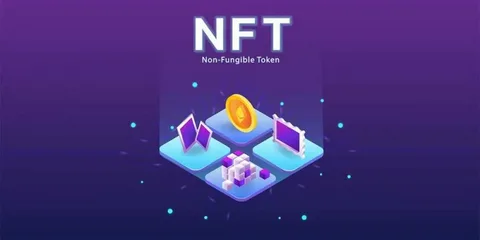
Before diving into any NFT investment strategy for beginners, you need a working understanding of what you’re actually buying. An NFT (non-fungible token) is a blockchain-based record of ownership tied to a specific digital or digital-physical asset — artwork, a collectible character, a piece of virtual land, event access, or in-game items.
Unlike cryptocurrencies such as Bitcoin or Ethereum, NFTs aren’t interchangeable. Each one is unique, which means valuation is far less straightforward. Two NFTs from the same collection can have wildly different prices depending on rarity traits, provenance, and demand.
Set Up a Secure Crypto Wallet First
You’ll need a crypto wallet compatible with the blockchain the NFT is minted on — most commonly Ethereum, Solana, or Polygon. Popular options include MetaMask and Coinbase Wallet. Before you buy anything:
- Enable two-factor authentication
- Store your seed phrase offline, never in a screenshot or cloud note
- Consider a hardware wallet for larger holdings
Security mistakes are the number one cause of NFT losses that have nothing to do with market performance — a single phishing link can wipe out an entire collection.
Looking to trade beyond NFTs? Check out our Crypto Exchange with High Leverage Trading: 2026 Guide for platforms offering deeper liquidity and leveraged positions
Step 2: Define Your Budget and Risk Tolerance
This is the step most beginners skip, and it’s the one that matters most. NFTs are a high-volatility asset class. Many projects lose 80–90% of their mint price within months. Because of that, your NFT allocation should come from money you can genuinely afford to lose — not rent money, not emergency savings.
A common rule among experienced collectors is to treat NFTs the way you’d treat the riskiest slice of a crypto portfolio: a small percentage of total investable assets, sized so that a total loss wouldn’t be financially damaging.
How Much Should Beginners Invest in NFTs?
There’s no universal number, but a conservative starting point is to cap NFT exposure at a small fraction of your overall portfolio many financial commentators suggest treating speculative crypto assets, NFTs included, as no more than 5–10% of total investable funds. Start smaller than you think you need to. You can always increase exposure once you understand how the market actually behaves.
Step 3: Research Before You Buy Not After
Research is where a real NFT investment strategy for beginners separates itself from gambling. Before buying into any project, dig into:
- The team behind it — Are they public and verifiable, or anonymous with no track record?
- The roadmap — Is there a realistic plan, or vague promises of “utility coming soon”?
- Trading volume and liquidity — Low volume means you may struggle to sell later, even if the floor price looks attractive.
- Community engagement — Active, organic communities (not bot-driven Discord servers) are a healthier long-term signal than raw follower counts.
- Smart contract security — Has the contract been audited by a reputable third party?
Where to Find Reliable NFT Market Data
Use analytics platforms rather than relying on social media hype alone. Sites that track floor price history, holder distribution, and wash-trading activity give a far more accurate picture than a project’s own marketing. For deeper market context on how digital assets are regulated and traded, the U.S. Securities and Exchange Commission’s investor education resources are a useful outbound reference for understanding how regulators view digital asset risk.
Step 4: Diversify Instead of Going All-In on One Project
Just like with stocks, concentrating your entire budget into a single NFT collection is a high-risk move. A more resilient approach spreads capital across a few categories:
Diversify by Category
- Blue-chip / established collections — Higher entry cost, generally more liquidity and brand recognition.
- Emerging projects with strong fundamentals — Higher risk, higher potential upside.
- Utility-based NFTs — Tokens tied to real access, gaming assets, or membership perks rather than speculation alone.
Diversify by Blockchain
Don’t limit yourself to a single chain. Ethereum has the deepest liquidity and most established collections. Solana and Polygon often offer lower gas fees and different market dynamics, which can balance out a portfolio’s risk profile.
Conclusion: Start Building Your NFT Investment Strategy Today
NFTs can be a rewarding part of a diversified digital asset portfolio, but only when approached with the same discipline you’d apply to any volatile investment. A thoughtful NFT investment strategy for beginners comes down to a few fundamentals: secure your wallet, set a realistic budget, research before buying, diversify across projects and chains, and know your exit points before you ever click “mint.”
Start small, stay patient, and treat every purchase as a calculated decision rather than a bet on hype. If you’re ready to take the next step, revisit the checklist in this guide before your next purchase — it could be the difference between a costly mistake and a genuinely smart investment.</p>
NFT and cryptocurrency markets are highly volatile — always do your own research and consult a licensed financial advisor before investing.