Bitcoin ETF vs Buying Bitcoin Directly: Full Guide
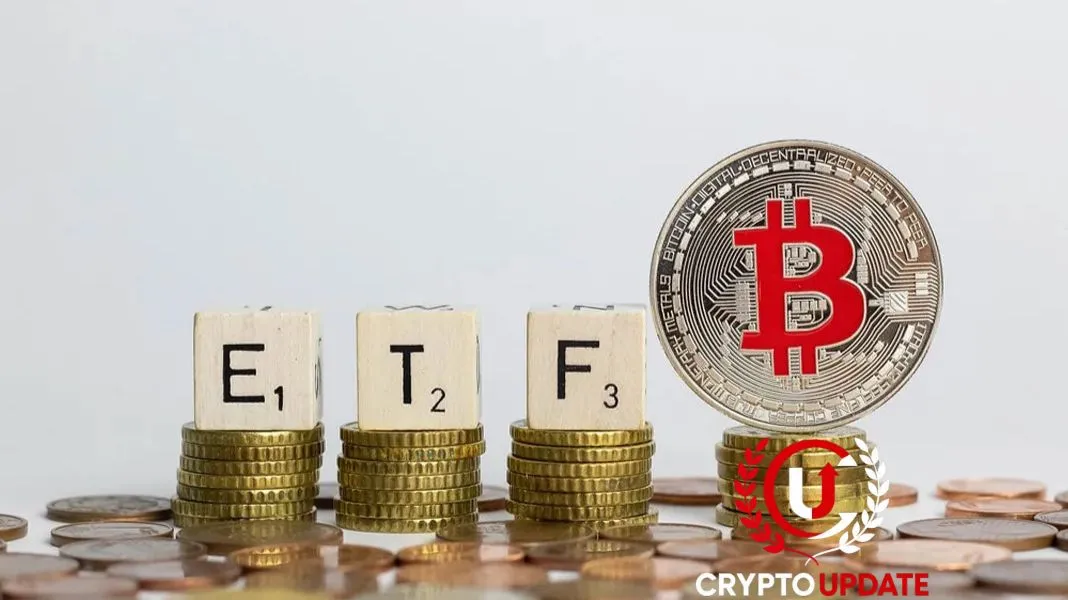
 If you’ve been researching how to add digital assets to your portfolio, you’ve almost certainly run into the debate over Bitcoin ETF vs buying Bitcoin directly. It’s one of the most common questions new and experienced investors ask, and for good reason the two paths lead to very different ownership experiences, cost structures, and levels of control.
On one side, you have spot Bitcoin ETFs: regulated, exchange-traded funds that track the price of Bitcoin and trade through your existing brokerage account, just like a stock. On the other side, you have buying Bitcoin directly on a crypto exchange or wallet, where you actually hold the asset yourself.
Neither option is universally “better.” The right choice depends on your comfort with technology, your tax situation, how much control you want over your coins, and what you’re actually trying to achieve with your investment. In this guide, we’ll break down the real differences between a Bitcoin ETF and buying Bitcoin directly, so you can decide which approach fits your goals.
What Is a Bitcoin ETF?
A Bitcoin ETF (exchange-traded fund) is a financial product that holds Bitcoin on behalf of investors and issues shares that trade on traditional stock exchanges. When you buy a share of a spot Bitcoin ETF, you’re not holding any actual Bitcoin — you’re holding a paper claim on Bitcoin that a fund manager custodies for you.
Spot Bitcoin ETFs became widely available after regulators in major markets approved them, opening the door for everyday investors to gain Bitcoin exposure through the same brokerage accounts they already use for stocks, index funds, and retirement accounts.
How a Spot Bitcoin ETF Works
The fund provider purchases and stores actual Bitcoin in secure custody. Each ETF share represe
nts a fractional claim on that pool of Bitcoin, minus management fees. The share price moves up and down with the market price of Bitcoin, though it can occasionally trade at a slight premium or discount to the underlying asset.
Buy Bitcoin Directly?
Buying Bitcoin directly means purchasing the actual cryptocurrency through an exchange (like Coinbase, Kraken, or Binance) and holding it either on that exchange or transferring it to a personal wallet that you control. This is often called self-custody.
When you buy Bitcoin directly, you own the private keys — the cryptographic credentials that prove ownership and allow you to move the asset. This is fundamentally different from owning shares in a fund that holds Bitcoin on your behalf.
Bitcoin ETF vs Buying Bitcoin Directly: Key Differences
This is where the real comparison begins. Let’s look at the factors that matter most when weighing a Bitcoin ETF against buying Bitcoin directly.
1. Ownership and Control
With a Bitcoin ETF, you never touch the underlying asset. You own shares in a fund, and the fund custodian controls the actual coins. If you buy Bitcoin directly and move it to your own wallet, you have full control — often summarized by the crypto community’s mantra, “not your keys, not your coins.”
This distinction matters most during periods of market stress. Direct ownership means no third party can freeze, restrict, or mismanage your holdings (assuming proper wallet security). ETF ownership means you’re trusting the fund issuer, custodian, and broader financial infrastructure to hold up their end.
2. Fees and Costs
Bitcoin ETFs charge an annual management fee, known as the expense ratio, which is automatically deducted from the fund’s assets. These fees typically range from a fraction of a percent to around 1% annually, depending on the provider.
ir=”ltr”>Buying Bitcoin directly usually involves trading fees on the exchange (often a percentage per transaction) and, if you self-custody, no ongoing annual fee at all. However, you may pay network transaction fees when moving Bitcoin between wallets. Over a long holding period, the “buy and forget” nature of direct ownership can be cheaper than paying a recurring ETF expense ratio — but the calculation depends on your trading frequency and exchange fees.
3. Accessibility and Ease of Use
This is where Bitcoin ETFs shine. Because they trade on regular stock exchanges, you can buy a Bitcoin ETF through the same brokerage accoun
t you already use for stocks, mutual funds, and retirement accounts like an IRA or 401(k). There’s no need to set up a crypto exchange account, manage a wallet, or remember a seed phrase.
Buying Bitcoin directly requires more technical comfort. You need to choose a reputable exchange, complete identity verification, and — if you want true security — learn how to use a hardware or software wallet. For beginners, this learning curve is a real barrier.
4. Security Risks
Bitcoin ETFs remove the technical security burden from the investor. You don’t need to worry about losing a private key, falling for a phishing scam, or misplacing a hardware wallet. The custodian handles cold storage and institutional-grade security.
Buying Bitcoin directly puts security responsibility squarely on you. Mistakes like losing a seed phrase, sending funds to the wrong address, or leaving large amounts on an exchange that gets hacked are real risks. That said, proper self-custody using a hardware wallet is widely considered one of the most secure ways to hold any asset, precisely because it removes counterparty risk.
5. Regulatory and Counterparty Risk
An ETF depends on a chain of intermediaries: the fund manager, the custodian, the exchange the ETF trades on, and your brokerage. Each layer introduces counterparty risk the possibility that one of these entities fails, mismanages assets, or faces regulatory issues.
Bitcoin ETF vs buying Bitcoin directly on this dimension really comes down to: do you trust a regulated financial institution, or do you trust yourself?
6. Tax Treatment
This is a major factor and often decides the debate for many investors. Bitcoin ETF shares are typically taxed like any other securities investment capital gains apply when you sell shares. They can often be held in tax-advantaged accounts like IRAs.
Buying Bitcoin directly is generally taxed as property in most jurisdictions, meaning every sale, trade. Even certain crypto-to-crypto swaps can trigger a taxable event. Depending on where you live, direct crypto transactions may also come with more complex reporting requirements than a simple brokerage statement.
Tax rules vary significantly by country, so consult a licensed tax professional before making a decision based on tax treatment alone.
7. Retirement Account Compatibility
Bitcoin ETF Pros and Cons
Pros:
- Easy to buy through existing brokerage accounts
- No wallet management or private key responsibility
- Regulated and transparent reporting
- Compatible with standard retirement accounts
- Simplified tax reporting similar to stocks
Cons:
- Ongoing management fees (expense ratio)
- You don’t actually own the underlying Bitcoin
- Exposed to counterparty and custodian risk
- Cannot use Bitcoin for payments or decentralized finance
- Trading hours limited to stock market hours
Buying Bitcoin Directly: Pros and Cons
Pros:
- True ownership and full control via self-custody
- No recurring management fees
- Can be used for payments, DeFi, or transferred anywhere
- Trades 24/7, unlike stock markets
- Removes dependency on fund managers or custodians
<strong>Cons:
- Requires technical knowledge to self-custody safely
- Full responsibility for security (lost keys = lost funds)
- More complex tax reporting in many jurisdictions
- Exchange hacks and scams are a real risk if not careful
- Not natively compatible with standard retirement accounts
Which One Should You Choose?
There’s no single right answer in the Bitcoin ETF vs buying Bitcoin directly decision — it depends on your priorities.
Choose a Bitcoin ETF if you want simple, regulated exposure to Bitcoin’s price movement without managing wallets or private keys, especially inside a retirement account.
Choose to buy Bitcoin directly</strong> if you value true ownership, want to use your Bitcoin for transactions or decentralized applications. Want 24/7 trading access, and are willing to take on the responsibility of securing your own assets.
Some investors even choose both — holding a Bitcoin ETF for retirement account exposure. While also buying Bitcoin directly for self-custody outside of traditional finance. This hybrid approach balances convenience with control.
Conclusion: Making Your Decision
The choice between a
Bitcoin ETF vs buying Bitcoin directly ultimately comes down to how much control. Responsibility, and complexity you’re willing to take on. A Bitcoin ETF offers simplicity, regulation. Retirement-account compatibility. While buying Bitcoin directly offers true ownership, lower long-term fees, and full control over your assets.
Before investing, weigh your comfort with technology, your tax situation, and your long-term goals. If you’re still unsure which path fits your strategy, start by comparing fee structures and custody options side by side and consider speaking with a licensed financial advisor before making your final decision on Bitcoin ETF vs buying Bitcoin directly.