Crypto Technical Analysis Platform for Beginners 2026
Introduction
Picking your first crypto technical analysis platform for beginners can feel like walking into a cockpit instead of a classroom. Candlesticks, moving averages, RSI, MACD — the charts alone can scare off a new trader before they’ve placed a single trade. But here’s the good news: you don’t need a finance degree to start reading crypto charts. You just need the right tool, a few core concepts, and a willingness to practice without risking real money right away.
This guide breaks down exactly what a crypto technical analysis platform for beginners should offer, which tools are actually worth your time in 2026, and how to start using one without feeling overwhelmed. Whether you’re tracking Bitcoin’s next move or trying to time an altcoin entry, the right platform turns confusing price charts into a repeatable, learnable process.
What Is a Crypto Technical Analysis Platform for Beginners?
A crypto technical analysis platform for beginners is a charting and research tool built to help new traders study price action, volume, and market indicators without needing coding skills or advanced finance knowledge. Instead of guessing when to buy or sell, these platforms let you visualize historical price patterns and apply simple indicators to spot trends before you commit capital.
Unlike professional-grade terminals built for quants and full-time traders, a beginner-focused platform prioritizes clean layouts, pre-built indicators, and educational context over raw complexity. The goal isn’t to overwhelm you with every tool available — it’s to teach you the handful of concepts that actually move the needle when you’re just starting.
Technical Analysis vs. Fundamental Analysis
It helps to know the difference early. Technical analysis studies price charts, patterns, and trading volume to predict where a price might go next. Fundamental analysis, on the other hand, looks at a project’s technology, team, tokenomics, and adoption to judge its long-term value. Most successful traders eventually use both, but beginners typically start with technical analysis because it’s more visual and immediately actionable — you can literally see the trend on the chart in front of you.
Why Beginners Shouldn’t Skip This Step
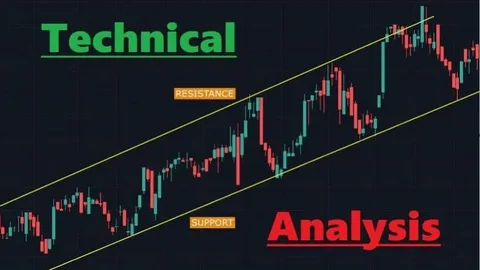
Jumping into crypto trading without any charting knowledge is one of the fastest ways to lose money. A beginner-friendly analysis platform acts as a training ground: it shows you support and resistance zones, trend direction, and momentum shifts in a format that’s easier to digest than raw order-book data. Building this habit early sets you up to make decisions based on data rather than hype or fear.
Key Features to Look for in a Crypto Technical Analysis Platform for Beginners
Not every charting tool is built with new traders in mind. Here’s what actually matters when you’re comparing options.
Beginner-Friendly Charting Interface
Look for drag-and-drop chart tools, clean visual layouts, and the ability to toggle indicators on and off without digging through settings menus. If a platform requires a tutorial just to draw a trendline, it’s probably not the right starting point.
Built-In Indicators and Templates
The best beginner platforms come preloaded with common indicators — moving averages, RSI, MACD, Bollinger Bands — and often include ready-made templates so you can apply a proven setup with one click instead of building it from scratch.
Real-Time Price Data and Alerts
Delayed data is a dealbreaker in a market that moves 24/7. Choose a platform with real-time or near-real-time pricing, plus custom alerts, so you’re not staring at charts all day waiting for a setup to trigger.
Educational Resources Built Into the Platform
Many top platforms pair their charting tools with glossaries, video tutorials, or community trading ideas. This context is invaluable when you’re still learning what a “golden cross” or “bullish divergence” actually means in practice.
Free Tier or Low-Cost Entry Point
You shouldn’t need to pay a premium subscription to learn the basics. Prioritize platforms with a genuinely useful free plan, and only upgrade once you know which advanced features you’ll actually use.
Best Crypto Technical Analysis Platforms for Beginners in 2026
Here’s how the most commonly recommended platforms stack up for someone just getting started.
TradingView
TradingView is usually the first name that comes up, and for good reason. It has one of the largest chart libraries in the industry, backed by a huge, active community of traders sharing setups, live streams, and educational breakdowns. For a beginner, that community content is almost as valuable as the charting tools themselves, since you can watch how experienced traders actually apply the indicators you’re learning. The free tier alone covers dozens of indicators and chart types — more than enough to get started.
Coinigy and CryptoView
If you want a slightly different layout than TradingView, or you’d like to manage several exchange accounts from a single dashboard, Coinigy and CryptoView are worth a look. Both offer free and paid tiers, with the paid versions unlocking multi-exchange trading and deeper customization once you outgrow the basics.
CoinStats
CoinStats is a good fit if simplicity is your top priority. It’s built around a clean, mobile-friendly interface designed for people with little to no technical background, making it easy to track portfolios and prices without wading through a cluttered dashboard.
Binance Academy (for learning the fundamentals first)
A charting platform is only half the equation — pairing it with a genuine education source speeds up the learning curve considerably. Binance Academy is one of the largest free crypto education hubs available, and its technical analysis section covers candlestick basics, trend lines, and common indicators in plain, beginner-friendly language. It’s a smart primer to work through before you start applying those concepts on a live chart.
Free vs. Paid: What Should Beginners Actually Pay For?
One of the most common questions new traders ask is whether they need a paid subscription to get real value from a crypto technical analysis platform for beginners. In almost every case, the answer is no — at least not right away.
Free tiers on platforms like TradingView and CoinStats typically include real-time or near-real-time pricing, a solid selection of indicators, basic alerts, and enough chart history to study meaningful trends. That’s genuinely enough to learn the fundamentals of technical analysis and start recognizing patterns with confidence.
Paid plans start to matter once you need things a beginner rarely does on day one: multiple simultaneous alerts, higher-resolution historical data, advanced screening across hundreds of coins at once. The ability to connect several exchange accounts for live order execution. If you’re still learning what a support level or a moving average crossover looks like, that extra horsepower won’t speed up your progress — practice will.
A good rule of thumb: stay on the free tier for at least your first one to three months of active charting. Only upgrade once you can point to a specific feature you’re missing, rather than upgrading because a platform’s marketing page makes the premium plan sound essential. This keeps your early learning curve focused on skill-building instead of tool-hopping. Which is one of the quiet reasons so many beginners stall out before they ever place a confident trade.
It’s also worth remembering that no subscription, free or paid, replaces the need for a solid risk-management plan. Even the most beginner-friendly platform will show you a clear signal now. Then that still results in a loss — that’s normal, and it’s exactly why position sizing and stop-losses matter as much as the charts themselves.
How to Start Using a Crypto Technical Analysis Platform as a Beginner
Once you’ve picked a platform, here’s a simple path to actually building the skill instead of just staring at candles.
Step 1: Learn Candlestick Basics First
Before touching a single indicator, learn to read a candlestick chart — what a wick, body, and color represent. This is the foundation everything else builds on.
Step 2: Add One Indicator at a Time
Resist the urge to load your chart with ten indicators at once. Start with a single moving average or RSI, understand what it’s telling you, and only add more once you’re comfortable.
Step 3: Practice With a Demo or Small Amount
Most platforms let you paper trade or track a watchlist without spending real money. Use this feature aggressively before committing actual capital.
Step 4: Set Alerts Instead of Watching Charts All Day
Let the platform notify you when price hits a key level. This keeps you disciplined and prevents emotional, reactionary trades.
Step 5: Review Your Trades Weekly
Keep a simple log of what setups you took and why. Reviewing this weekly is one of the fastest ways beginners improve their chart-reading accuracy.
Common Mistakes Beginners Make With Technical Analysis Platforms
Even with the right tool, it’s easy to fall into a few traps early on.
- Overloading charts with indicators. More indicators don’t mean more accuracy — they often just create conflicting signals.
- Ignoring volume. Price movement without volume confirmation is often a weak or unreliable signal.
- Chasing every alert. Not every notification is a trade worth taking. Learn to filter for high-quality setups.
- Skipping the education side. A platform’s charts are only as useful as your understanding of what they show.
- Trading real money too early. Spend real time in demo mode before risking capital on live positions.
If you want a deeper breakdown of how professional traders structure their entries and exits, our guide on reading crypto candlestick patterns for beginners is a good next step (internal link anchor text suggestion).
For an outside reference on how technical indicators are constructed mathematically, Investopedia’s overview of technical analysis is a solid, beginner-accessible resource worth linking to.