Daily Cryptocurrency Market Analysis Report Guide
A reliable daily cryptocurrency market analysis report is one of the most valuable habits any crypto investor or trader can build. Markets move fast — prices, volume, and sentiment can shift dramatically within hours — and relying on outdated information or gut instinct alone is a fast way to make costly mistakes.
This guide breaks down exactly what a solid daily cryptocurrency market analysis report should include, how to read it correctly, and which tools and sources actually deliver dependable data. Whether you’re a beginner trying to build a daily research habit or an experienced trader refining your process, understanding the components of a proper market analysis report will help you make more informed, less reactive decisions.
We’ll also cover common mistakes people make when interpreting daily reports, and how to build your own lightweight version if you’d rather track the market yourself than rely solely on third-party sources.
Why a Daily Cryptocurrency Market Analysis Report Matters
Crypto markets trade 24/7, unlike traditional stock markets that close at the end of each session. That constant activity means meaningful price action, news, and sentiment shifts can happen at any hour — including while you’re asleep.
A structured daily report helps you catch up quickly instead of scrolling through scattered headlines and social media threads trying to piece together what happened. It condenses the noise into something actionable: price movement, volume changes, major news, and shifts in overall market sentiment.
It Saves Time and Reduces Emotional Decisions
Without a consistent report to check, many investors end up reacting to whatever headline or influencer post crosses their feed first. A daily analysis habit creates a buffer between raw market noise and your actual investment decisions.
It Helps You Spot Patterns Over Time
Reading a daily report once means little. Reading it consistently over weeks and months helps you start recognizing recurring patterns — how the market reacts to certain news types, how sentiment shifts before major moves, and which indicators tend to precede trend reversals.
Key Components of a Strong Daily Cryptocurrency Market Analysis Report
Not all reports are created equal. Here’s what separates a genuinely useful daily analysis from a surface-level price recap.
1. Overall Market Cap and Dominance Trends
A good report starts with the big picture: total crypto market capitalization and how dominant Bitcoin and Ethereum are relative to the rest of the market. Shifts in dominance often signal whether capital is flowing toward large-caps (a “risk-off” signal) or toward altcoins (often a “risk-on” signal).
2. Price Movement of Major Coins
Beyond just Bitcoin and Ethereum, a thorough report tracks price action across major sectors — Layer 1s, Layer 2s, DeFi tokens, and any category currently driving market narrative.
3. Trading Volume Analysis
Price movement without volume context can be misleading. A price spike on unusually low volume is far less significant than the same move backed by strong volume, since it may not reflect genuine market conviction.
4. Market Sentiment Indicators
Tools like the Fear and Greed Index summarize overall market mood using a mix of volatility, momentum, social sentiment, and survey data. This helps contextualize whether the market is currently driven by fear-based selling or greed-driven buying.
5. On-Chain Data
For traders who want to go deeper than price charts, on-chain metrics — active wallet addresses, exchange inflows/outflows, whale transaction activity — offer insight into what large holders and network activity are actually doing, independent of price alone.
6. Relevant News and Regulatory Updates
Regulatory announcements, exchange listings, major partnerships, and macroeconomic news (like interest rate decisions) can all move crypto markets significantly. A complete daily report should flag anything market-relevant from the past 24 hours.
How to Read a Daily Cryptocurrency Market Analysis Report Correctly
Having access to a report is only useful if you know how to interpret it. Here’s a practical approach.
Look at Context, Not Just Numbers
A 5% single-day move means something very different during a low-volatility consolidation period than during an already volatile trending market. Always weigh daily numbers against the broader trend.
Cross-Reference Multiple Sources
Relying on a single source for your daily analysis can create blind spots, especially if that source has a bias toward a particular narrative or asset. Comparing two or three reputable sources helps you form a more balanced view.
Separate Short-Term Noise From Long-Term Signal
Daily reports are useful for staying informed, but not every daily fluctuation warrants a portfolio decision. Longer-term investors especially should avoid overreacting to single-day volatility.
Watch for Recurring Themes Across Multiple Days
If several consecutive daily reports flag the same emerging trend — say, rising DeFi activity or growing institutional interest in a specific sector — that consistency carries more weight than any single day’s data point.
Best Sources and Tools for a Daily Cryptocurrency Market Analysis Report
Several platforms provide the raw data and analysis needed to build a solid daily habit.
Market Data Aggregators
Sites that track price, volume, and market cap across thousands of coins give you the foundational numbers every report needs. CoinMarketCap is one widely used example for tracking real-time price and volume data across the market.
Charting and Technical Analysis Platforms
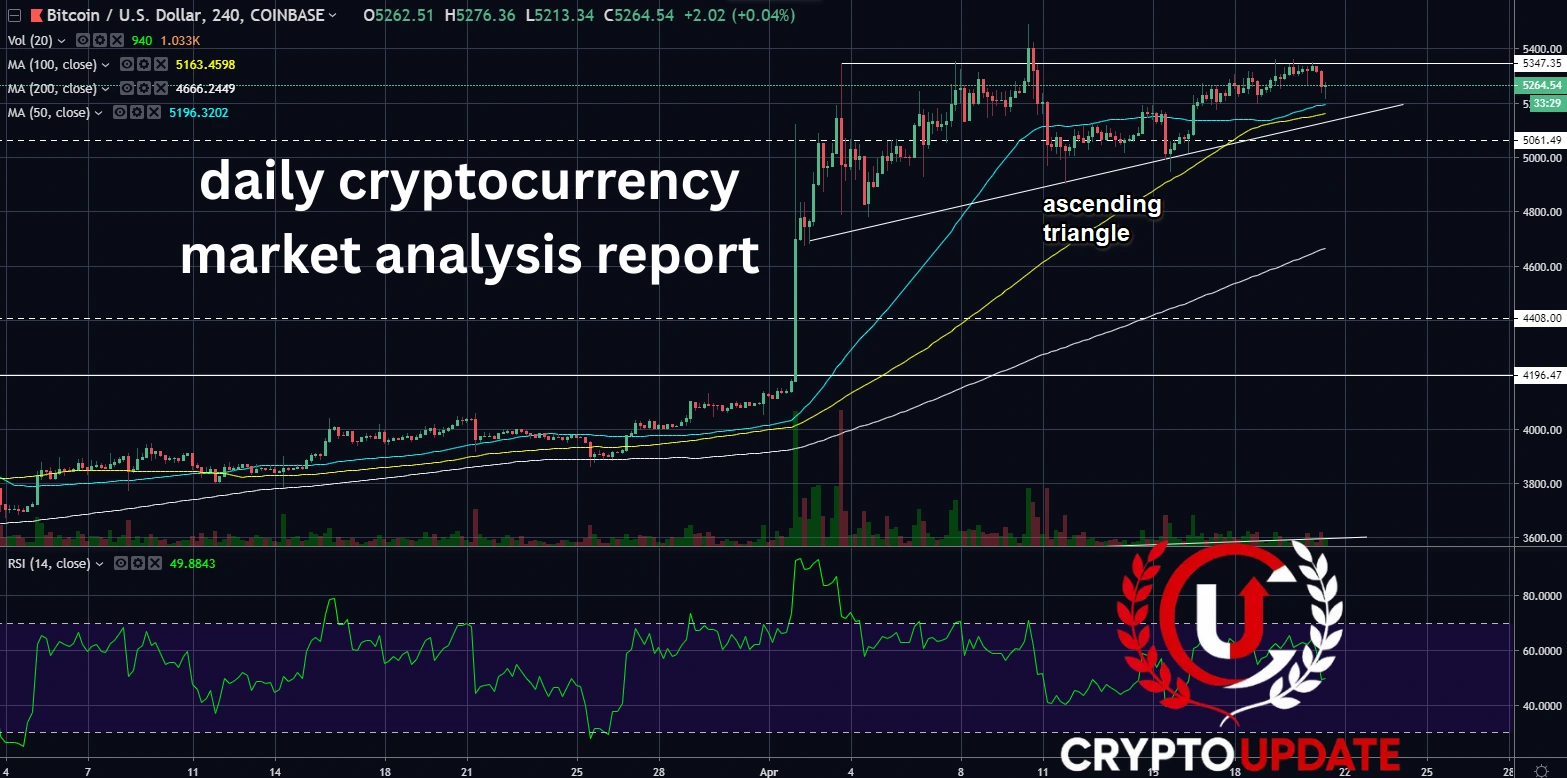
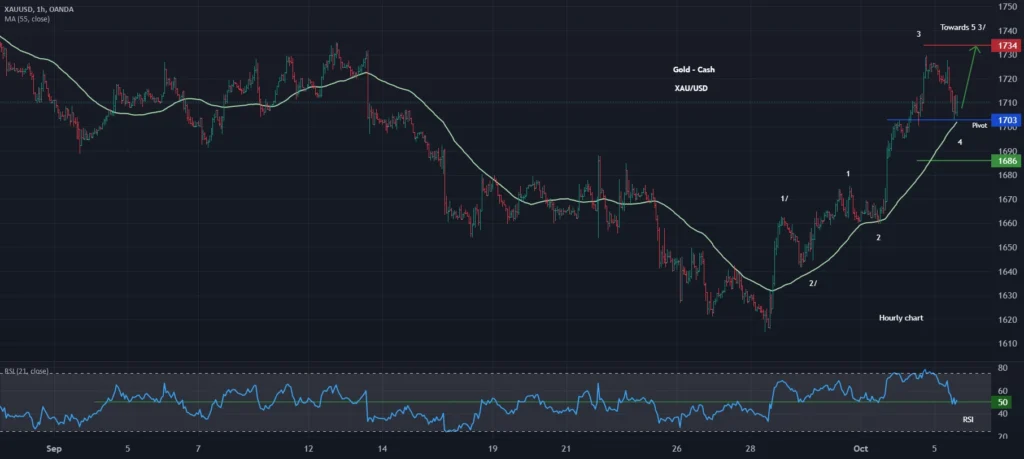
Tools with customizable charting capabilities let you layer technical indicators — moving averages, RSI, MACD — onto price data for deeper trend analysis.
On-Chain Analytics Platforms
Specialized platforms focused purely on blockchain data can reveal whale movements, exchange flows, and network health metrics that price charts alone won’t show.
News Aggregators and Crypto Media Outlets
Staying current on regulatory and industry news is just as important as tracking price. Reliable crypto news outlets help you understand the “why” behind major market moves, not just the “what.”
Building Your Own Lightweight Daily Analysis Routine
You don’t need a professional research team to build a useful daily habit. Here’s a simple structure you can follow in 15–20 minutes each morning.
Step 1: Check Overall Market Cap and Dominance
Start with the big picture before drilling into individual coins.
Step 2: Scan Your Portfolio Holdings
Review price and volume changes specifically for coins you hold or are watching closely.
Step 3: Check Sentiment Indicators
A quick glance at sentiment tools can help you gauge whether the broader market mood has shifted since yesterday.
Step 4: Skim Major Headlines
Focus on regulatory news, major exchange announcements, and macroeconomic events — these tend to have outsized market impact compared to routine daily noise.
Step 5: Note Anything Worth Tracking Over Multiple Days
Rather than reacting immediately, jot down any emerging trend to confirm over the following days before acting on it.
For a deeper walkthrough of building a full research process, see our guide on how to build a crypto investment strategy from scratch
Common Mistakes to Avoid When Reading Daily Market Reports
Overreacting to Single-Day Volatility
Crypto is volatile by nature. Treating every daily swing as a signal to buy or sell often leads to poor timing and unnecessary trading fees.
Ignoring Volume Context
A price move without corresponding volume can be a false signal, especially in lower-liquidity altcoins.
Relying on a Single Source
Different platforms weight data differently. Cross-referencing multiple daily reports gives a more balanced, reliable picture.
Confusing Correlation With Causation
Just because a coin moved after a specific headline doesn’t always mean the headline caused it. Broader market trends often play a bigger role than any single piece of news.
Conclusion
Building the habit of reading a daily cryptocurrency market analysis report is one of the simplest ways to stay ahead in a market that never sleeps. By focusing on market cap trends, volume context, sentiment indicators, and relevant news — rather than reacting to every headline or price swing — you put yourself in a far stronger position to make informed decisions instead of emotional ones. Start building your own daily analysis routine today, bookmark a few reliable sources, and check in consistently — the investors who stay informed daily are usually the ones best positioned when the market moves.
Disclaimer: This article is for informational and educational purposes only and does not constitute financial advice. Cryptocurrency investments are highly volatile and carry significant risk of loss