Cryptocurrency has become an important part of the modern financial world. For investing, trading, and online transactions, millions of people use digital currencies like Bitcoin, Ethereum, and others. Having cryptocurrency, on the other hand, necessitates knowing how to store and safeguard it. This is where a crypto wallet becomes essential.
Users can manage their digital assets, send and receive cryptocurrency, and interact with blockchain networks with a crypto wallet. Whether someone is a beginner or an experienced investor, choosing the right wallet is an important step toward protecting digital investments.
What Is a Crypto Wallet?
A crypto wallet is a digital tool that allows users to access and manage their cryptocurrency. A crypto wallet, in contrast to a conventional wallet, stores the cryptographic keys necessary control digital assets that are recorded on a blockchain.
A private key and a public key are the two essential types of keys that are used in every wallet. Users receive cryptocurrency using the public key, while the private key grants access to their funds and authorizes transactions.
Keeping private keys secure is extremely important. It’s possible that the associated cryptocurrency could be controlled by someone who gains unauthorized access to them.
Different Types of Crypto Wallets.
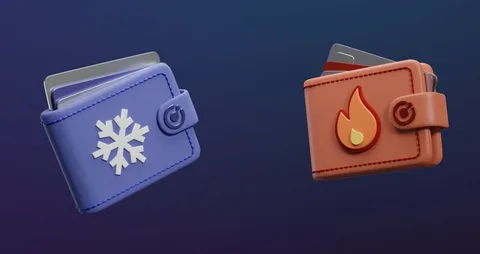
Hot Wallets: Hot wallets are typically available as browser extensions, desktop software, or mobile applications that are connected to the internet. They provide convenient access to cryptocurrency and are useful for regular transactions. However, their internet connection can expose users to certain online security risks.
Cold Wallets: Private keys are stored offline in cold wallets. Hardware wallets are a popular example because they keep sensitive information away from internet-connected devices. They are often preferred by investors who want to hold cryptocurrency for longer periods.
Mobile Wallets: Mobile wallets allow users to manage digital assets through smartphones. They are easy to use for everyday transfers, payments, and balance checks.
Desktop Wallets: Desktop wallets are software applications that are installed on computers and give users full control over their cryptocurrency keys. The protection provided by the computer and the wallet software both contribute to their safety.
How to Choose a Secure Crypto Wallet.
Choosing a crypto wallet requires careful consideration. Users should first check whether the wallet supports the cryptocurrencies they want to store. Some wallets only support Bitcoin, while others support a variety of digital assets and blockchain networks.
Security ought to always come first. Look for features such as strong authentication, encryption, backup options, and hardware security support where appropriate. Additionally, it is essential to investigate the wallet provider and only download applications from authorized sources.
A straightforward wallet with an intuitive user interface might be more appealing to novices. Support for decentralized applications and multiple blockchain networks may be necessary for seasoned cryptocurrency users.
Important Tips to Protect Your Crypto Wallet.
Responsible security practices are required to safeguard a cryptocurrency wallet. Avoid saving recovery data in easily accessible online locations and store it securely.
Use a strong, unique password and enable two-factor authentication when available. Be on the lookout for suspicious links, phony websites, and unexpected messages on your computer and smartphone.
Verify the recipient’s wallet address and the chosen blockchain network prior to sending a large cryptocurrency transaction. Cryptocurrency transactions are generally irreversible, so mistakes can result in permanent losses.
Final Thoughts.
A crypto wallet is an essential tool for anyone who wants to manage digital currencies. Hot wallets offer convenience, while cold wallets provide an offline storage option. The best option is determined by individual requirements, security preferences, and cryptocurrency usage frequency.
In 2026, it will become increasingly important to learn about wallet security as cryptocurrency adoption continues to grow. Users can better manage their digital assets and cut down on risks that could have been avoided by selecting a dependable wallet and adhering to fundamental security measures.